GROUP EXHIBITIONS
/ INSTITUTION
EPOCH ART MUSEUM
/ location
Wenzhou, China
/ Date
2019/03/02-2019/04/13
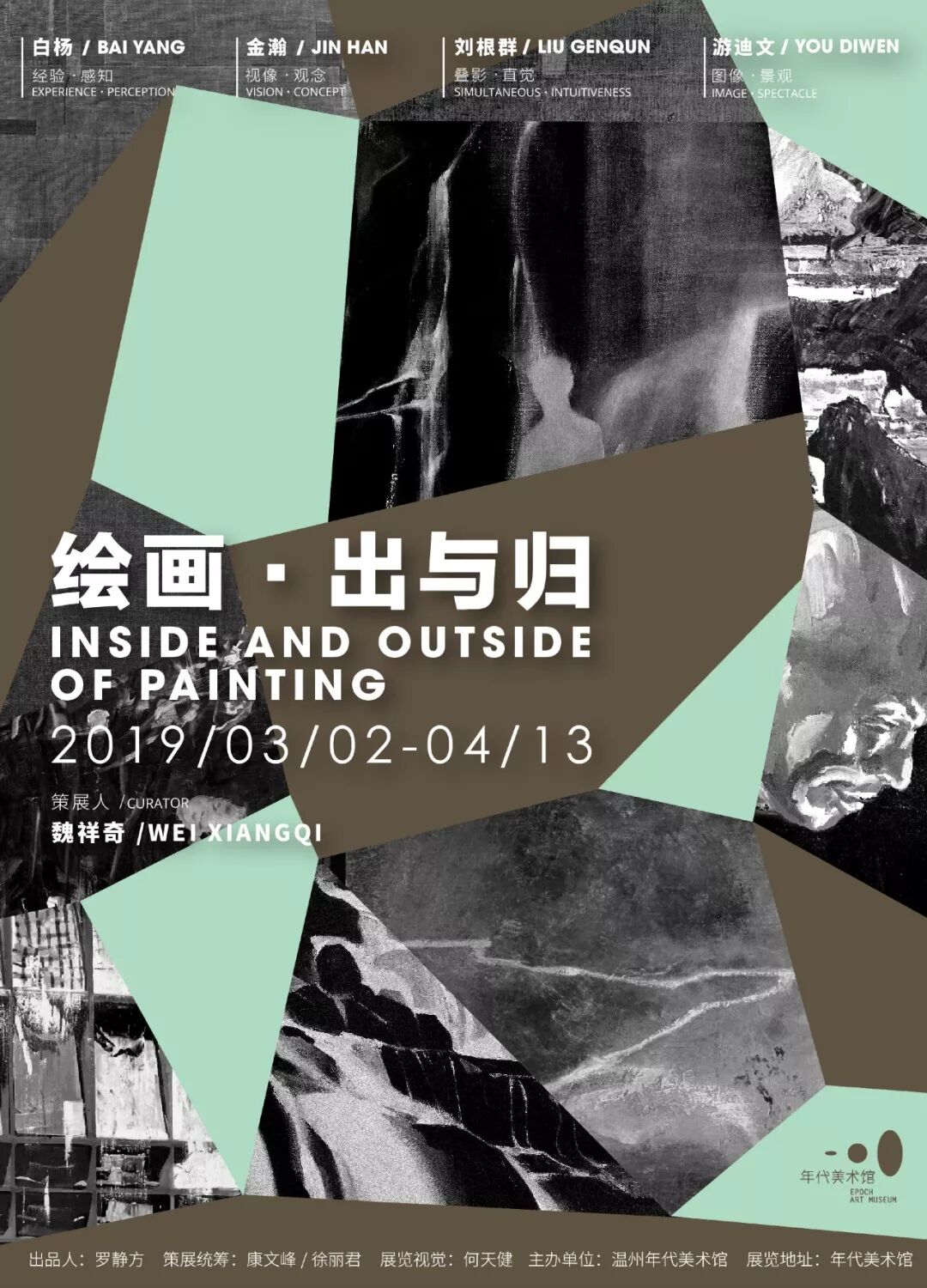
INSIDE AND OUTSIDE OF PAINTING | EPOCH ART MUSEUM
CURATOR Wei Xiangqi
ARTISTS: Bai Yang / Jin Han / Liu Genqun / You Diwen
PRODUCER Luo Jingfang
EXHIBITION DIRECTORS: Kang Wenfeng, Xu Lijun
EXHIBITION VISUAL He Tianjian
DURATION:2019.03.02 - 2019.04.13
Artist's statement:
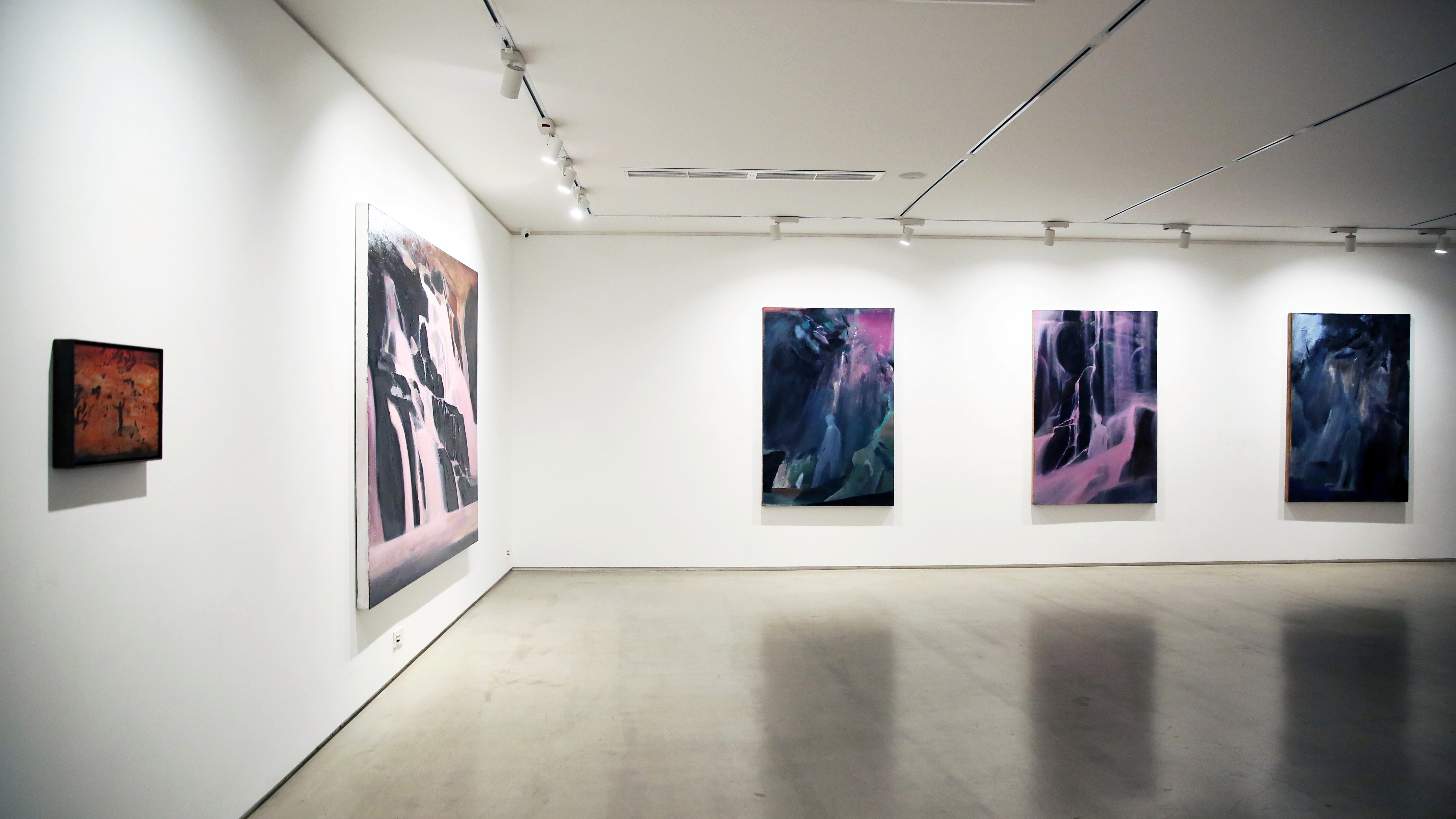
“Maintaining a certain sense of distance serves as the measure of my relationship with my daily surroundings; a sense of detachment is often captivating. As archaeologists excavate the earth to uncover artifacts, astronomers gaze upon the Milky Way, and historians trace ancient origins, the process of searching for the "red heart" on the clue wall is more immersive than the heart itself. This pursuit of traces typically draws upon multiple disciplines—geography, archaeology, anthropology, semiotics, and others—serve as the foundation for my own work. In geography, humans appear to be the guides in human geography; then, who are the guides in physical geography? Perhaps time is both the end and the beginning of all things.
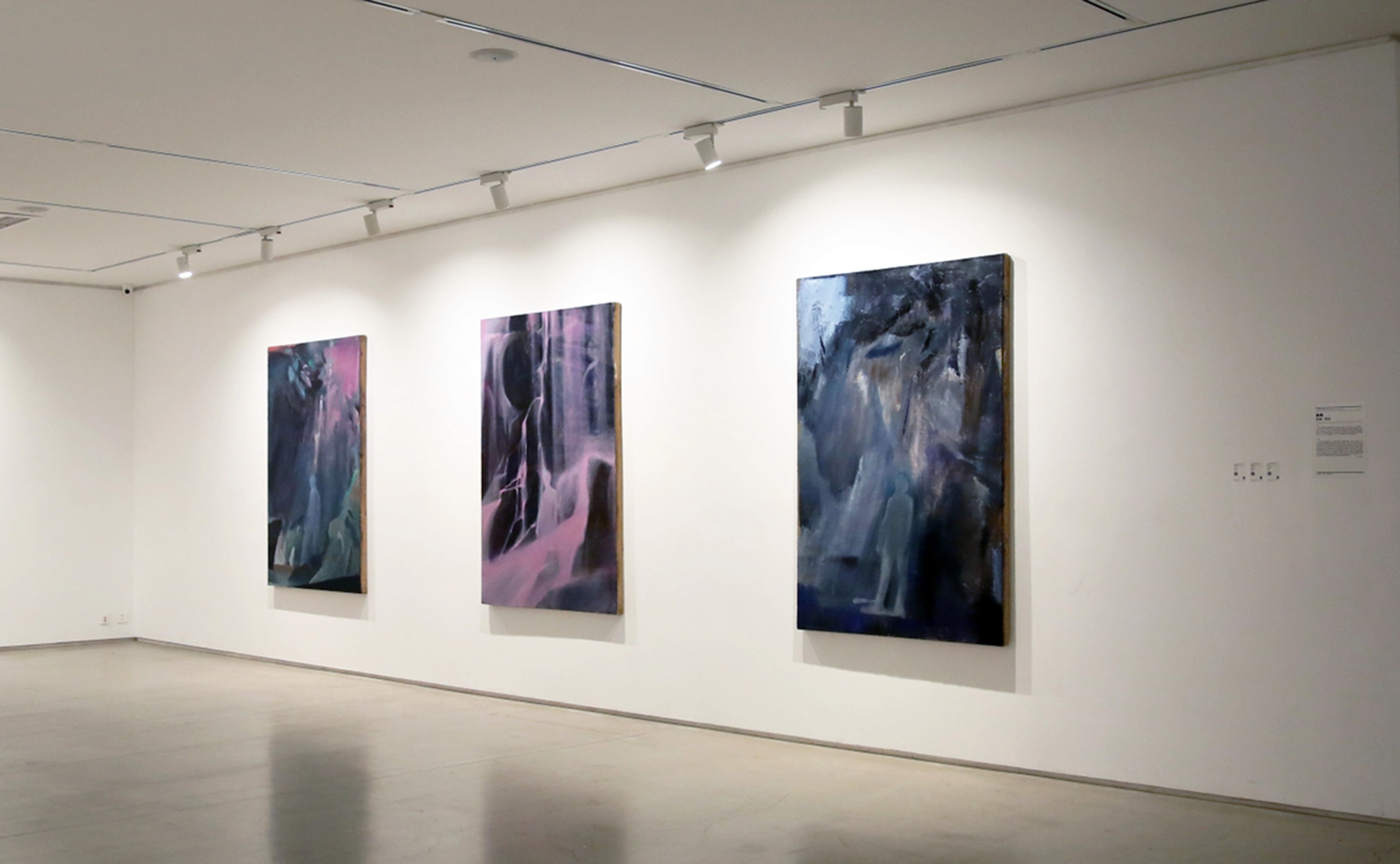
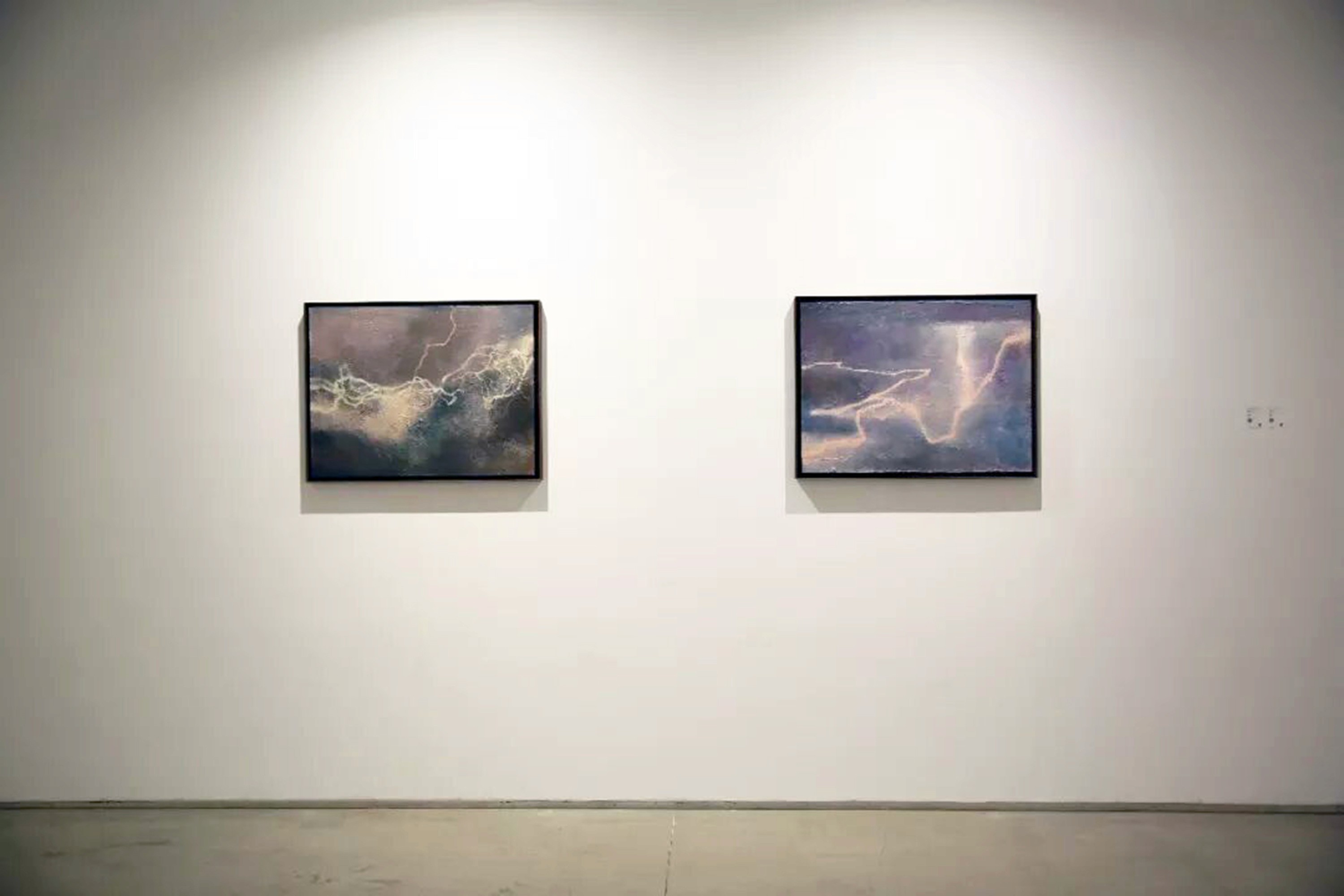
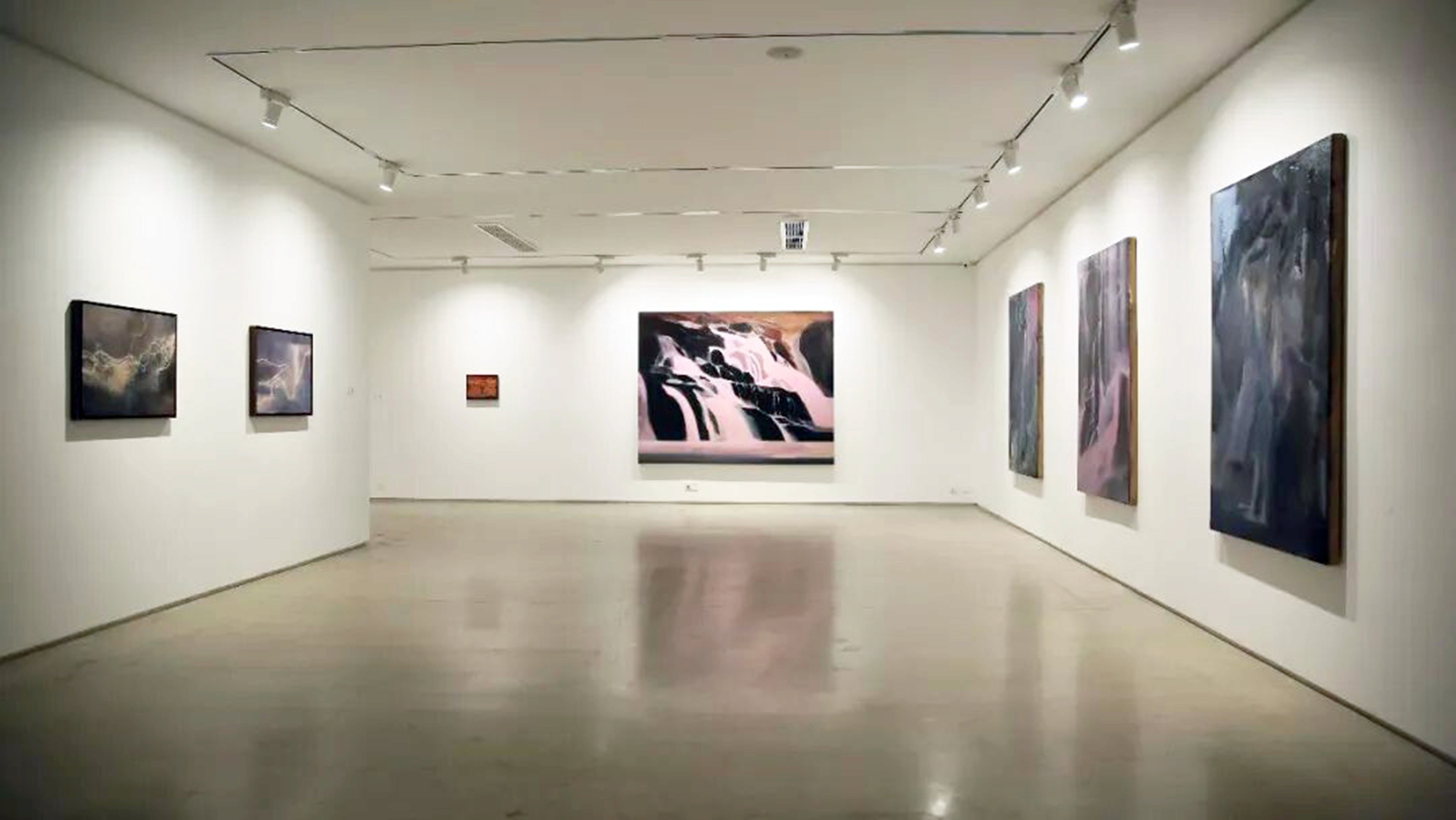
The lightning and waterfalls in my paintings represent my symbolic interpretation of "time." Though fleeting, lightning marks the beginning of all life's journey—it is both a contest between air and temperature and the release of terminal energy. The gathering, falling, sedimentation, and smoothing constitute the "life cycle" of a waterfall: a beginning destined to vanish, yet also a confrontation filled with compromise.”
—— Artist Jin Han
Review:
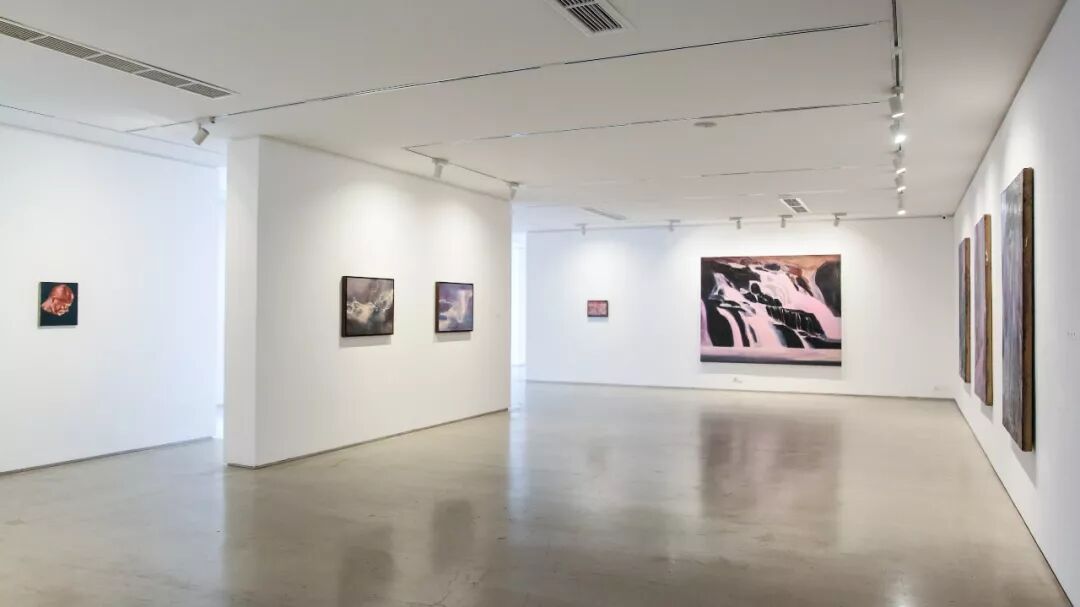
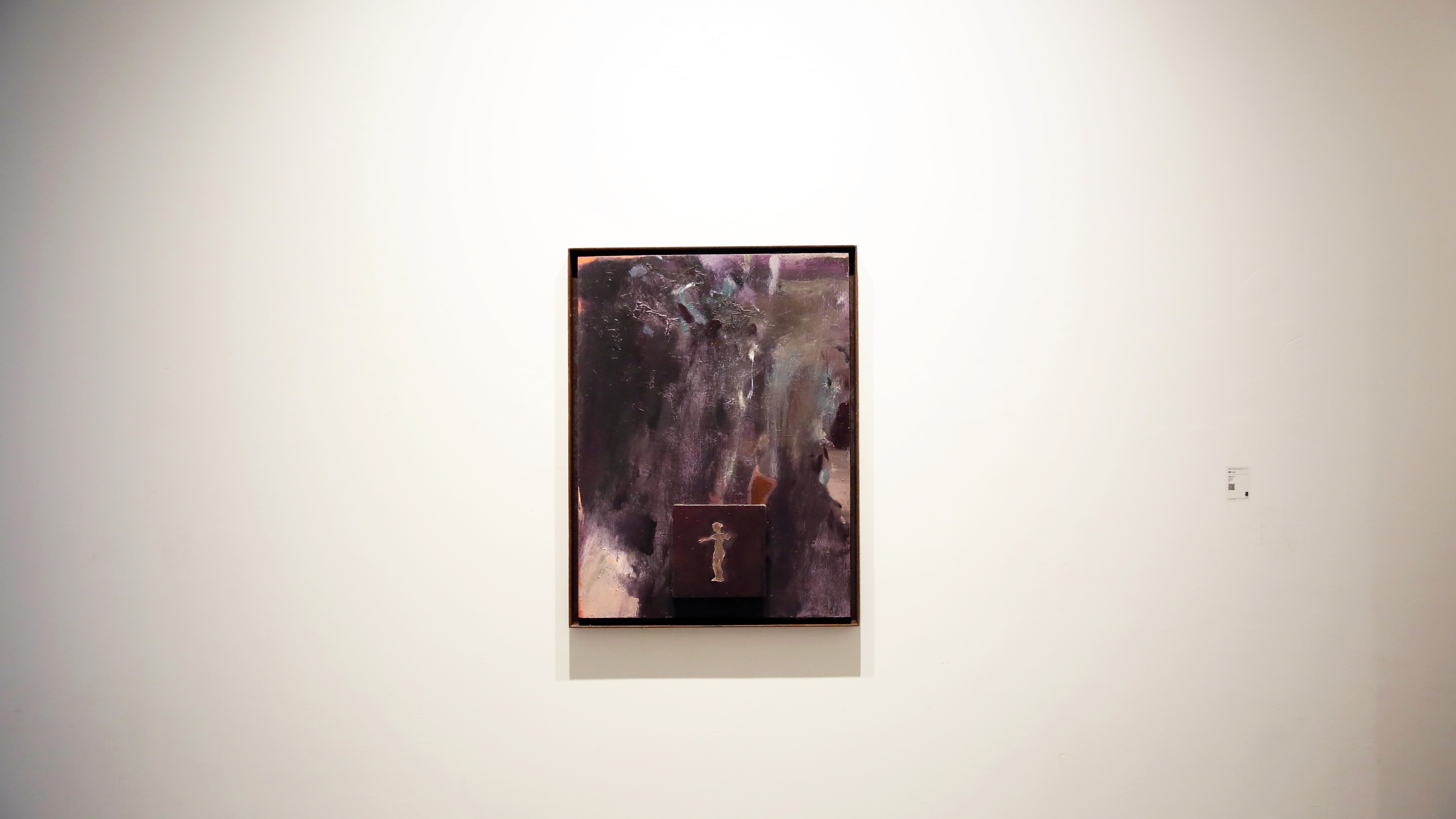
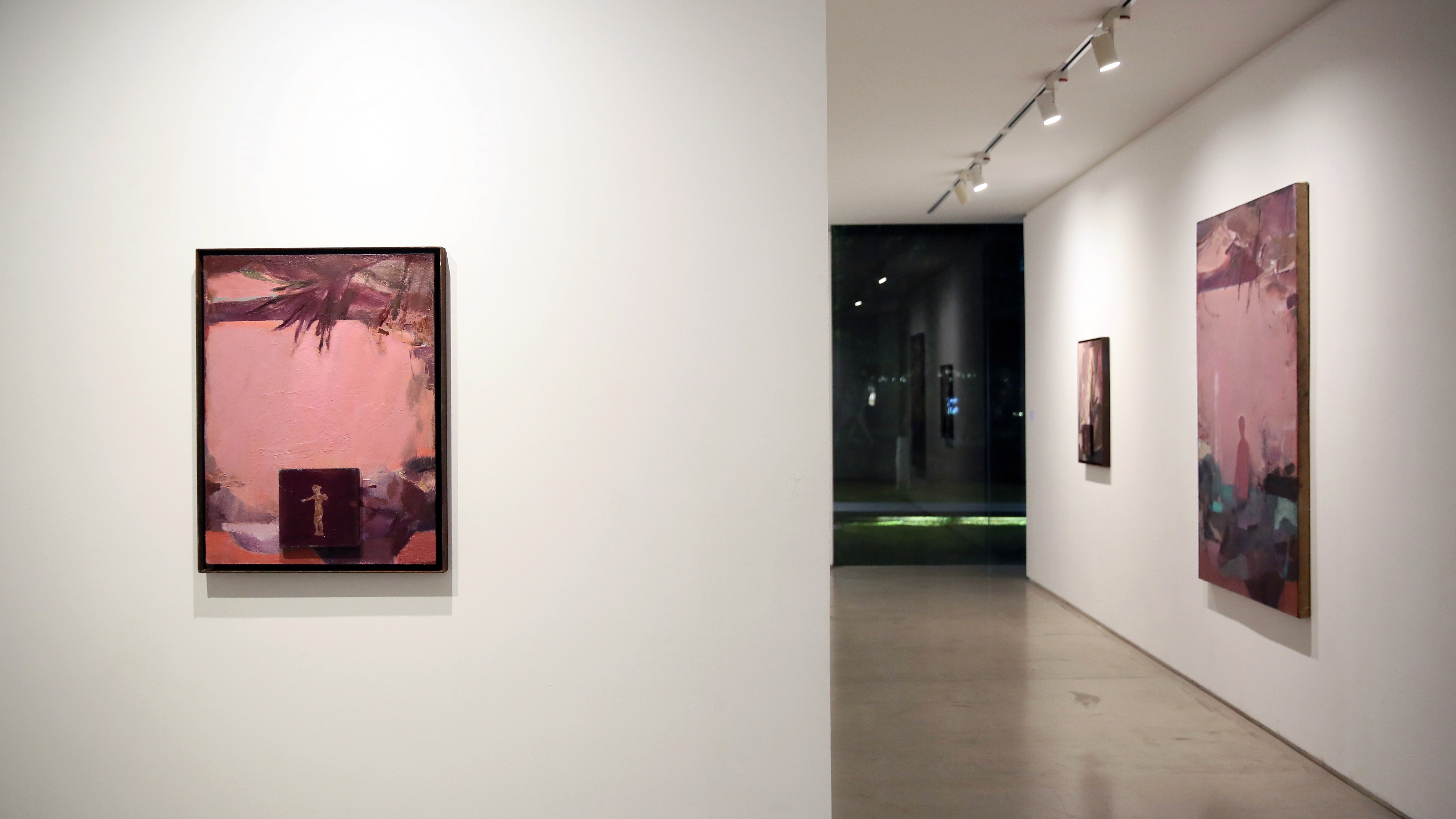
Jin Han consistently depicts the grandeur of nature, whether it be waterfalls or lightning, all imbued with a strong dramatic quality. In the valleys and beneath the cascades, there is always a figure—or more precisely, a silhouette—making the imagery resemble a dream or a distant memory. Clearly, Jin Han's paintings possess a potent literary narrative, akin to the wandering of a wandering poet. In his self-reflections, Jin Han mentions his fascination with the fleeting aspects of nature, as those moments contain immense energy that cannot be replicated. Or perhaps, at the instant a bolt of lightning tears through the sky, he glimpses the form of a philosopher hidden in the wilderness—though we can never know. Yet over the past five years, this figure has repeatedly appeared in his works, revealing Jin Han's symbolic representation of it as a divine entity transcending temporal and spatial boundaries. There is reason to believe that this nude deity resides within this natural realm, and it may very well be another manifestation of Jin Han's self in an alternate world. Thus, in Jin Han's paintings, we can observe the tripartite structure of heaven, earth, and humanity, rooted in his perspective and scale of viewing the cosmos.
In a certain sense, Jin Han's paintings do not construct an experiential world of ancient Chinese people but rather resemble allegorical tales about the origin of the universe and the birth of life. In terms of language, Jin Han emphasizes figurativeness, with thick oil paint leaving sluggish brushstrokes on the canvas—particularly firm and seemingly robust outlines, giving the imagery a strong symbolic tone rather than a relaxed lyricism. We can discern a classical painting temperament in Jin Han's works, as his paintings contain almost no improvisational elements, with rationalism remaining the cornerstone of his artistic philosophy.
—— Curator Wei Xiangqi